

 By
By There’s something strangely comforting about homemade bread.
Not even just eating it. The process itself.
The quiet mixing. The smell slowly filling the kitchen. Watching the dough rise while the rest of the evening finally starts slowing down a little.
For a long time, though, homemade bread felt unrealistic to me.
It seemed like one of those things people with perfectly organized kitchens made on slow Sunday afternoons. Not something you make after work while the laundry still needs folding and dinner hasn’t even been figured out yet.
And honestly, a lot of bread recipes online didn’t help.
Some required special equipment. Others involved complicated steps that made baking feel more stressful than relaxing.
I wanted something simpler.
A soft, reliable bread recipe that actually fit into real life.
This recipe started on a rainy evening when I was craving something warm and comforting but didn’t want another store-bought loaf that tasted dry by the next morning.
I remember mixing the dough almost casually, not expecting much from it.
But somewhere during the second rise, while the kitchen slowly started smelling like a bakery, the whole mood of the evening changed.
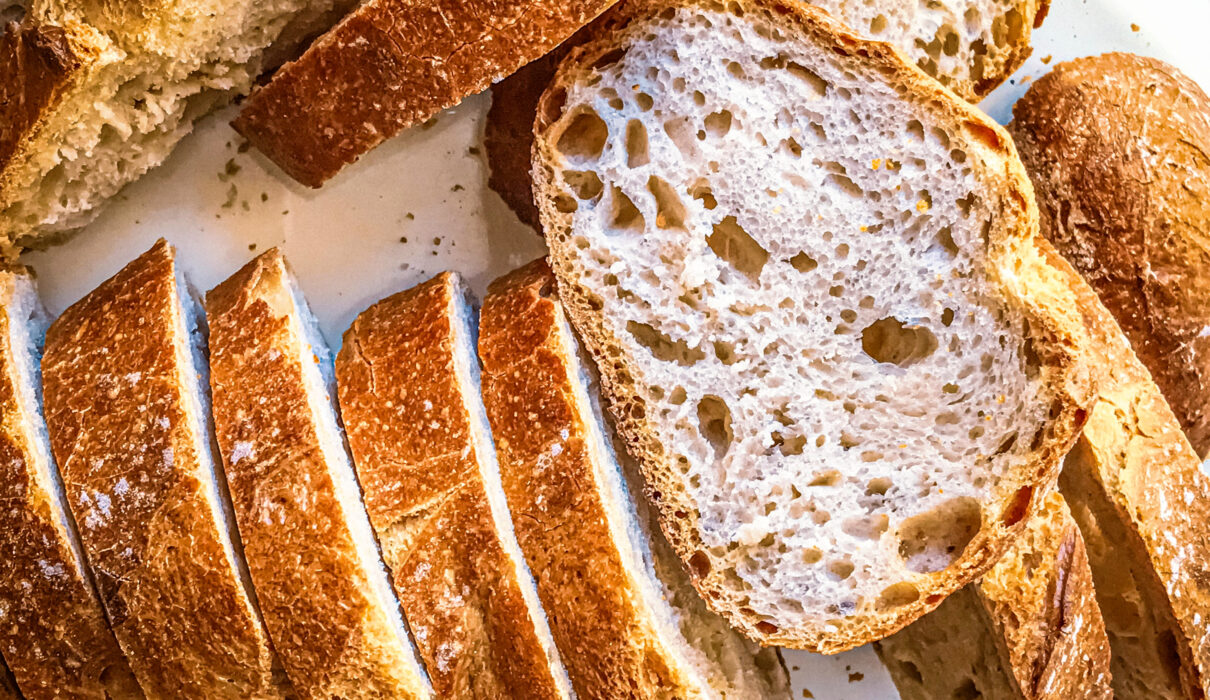
The bread came out soft in the center, lightly golden on top, and warm enough that slicing into it immediately felt impossible to resist.
And honestly, that first piece with a little vegan butter melting into it?
That was the moment this recipe stayed.
Now it’s one of those things I make not because it’s impressive, but because homemade bread somehow makes ordinary days feel calmer and more complete.
Why This Recipe Works
A lot of homemade bread recipes become complicated very quickly.
This one keeps things simple.
The ingredients are basic pantry staples, the dough is easy to work with, and the texture stays soft without needing eggs or dairy.
Warm plant milk helps activate the yeast while olive oil keeps the bread tender and light. The dough rises beautifully without requiring advanced baking skills, which makes this recipe especially good for beginners.
Another reason this bread works so well is its flexibility.
You can use it for sandwiches, toast, soup nights, or simply warm slices with butter.
It’s soft enough for everyday use but still feels homemade in the best possible way.
Ingredients
Optional Additions
Garlic powder
Dried herbs
Sesame seeds
Oats for topping
Notes
Plant Milk
Unsweetened oat or almond milk works best for soft texture.
Yeast
Instant yeast makes the process easier and faster for beginner bakers.
Flour
All-purpose flour keeps the bread soft and fluffy.
Olive Oil
Adds moisture and helps the loaf stay tender even the next day.
Step-by-Step Cooking Instructions

1. Mix the Dough
In a large bowl, combine warm plant milk, water, sugar, and yeast.
Let it sit for a few minutes until slightly foamy.
Add flour, salt, and olive oil, then mix until a rough dough forms.
2. Knead the Dough
Transfer the dough to a lightly floured surface and knead for about 8 minutes.
At first the dough may feel sticky, but slowly it becomes smoother and softer as you work with it.
3. First Rise
Place the dough in a lightly greased bowl and cover it with a towel.
Let it rise for about an hour or until doubled in size.
This is usually when the kitchen starts feeling warm and comforting in a way only bread baking can create.
4. Shape the Bread
Punch down the dough gently and shape it into a loaf.
Place it into a greased loaf pan or onto a baking tray.
5. Second Rise
Cover again and let the dough rise for another 30 minutes.
Meanwhile, preheat the oven to 180°C (350°F).
6. Bake
Bake for 28–32 minutes until the top becomes lightly golden.
The loaf should sound slightly hollow when tapped.
Let the bread cool for at least 15 minutes before slicing.
Cooking Process

As the bread bakes, the crust slowly turns golden while the inside stays soft and fluffy.
The smell alone makes the whole kitchen feel warmer.
Helpful Baking Tips
Don’t Add Too Much Flour
Slightly soft dough creates softer bread.
Warm Liquids Matter
Plant milk should feel warm, not hot, or the yeast may not activate properly.
Let the Bread Cool Slightly
Fresh bread smells amazing immediately, but waiting a few minutes helps the texture settle properly.
Store It Properly
Wrapping the bread once cooled keeps it soft longer.
Serving Suggestions
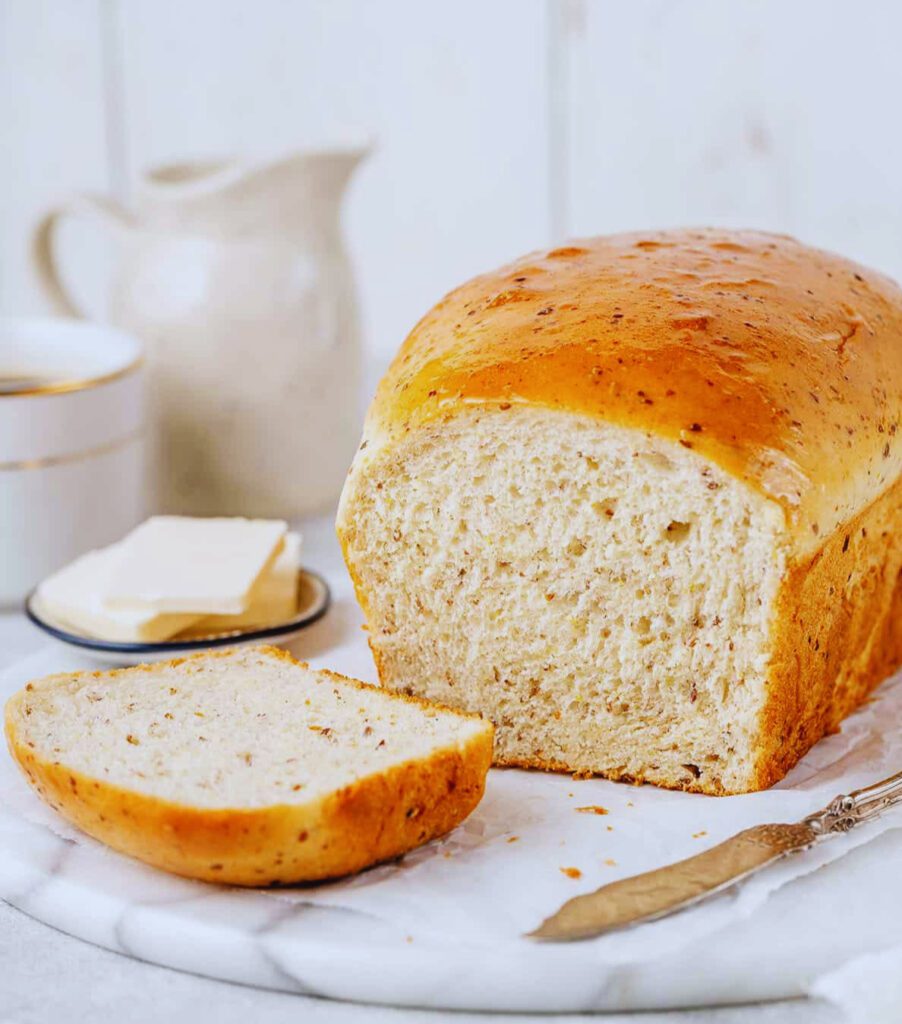
This bread works beautifully with:
• Vegan butter
• Soups and stews
• Sandwiches
• Avocado toast
• Jam or peanut butter
Most of the time, I end up eating the first slice warm straight from the kitchen counter before dinner is even ready.
Frequently Asked Questions
Can I use whole wheat flour?
Yes, though the bread may become slightly denser.
Can I freeze the bread?
Absolutely. Slice it first for easier reheating.
Why didn’t my dough rise?
Usually the liquid was too hot or the yeast was inactive.
Can I make this without oil?
Yes, though the bread may be slightly less soft.
How long does homemade bread last?
About 3 days at room temperature if stored properly.
Storage and Reheating
Room Temperature
Store in an airtight container or wrapped in a towel for up to 3 days.
Freezer
Freeze slices for up to 2 months.
Reheating
Warm slices lightly in a toaster or oven before serving.
You Might Also Like
If you enjoy homemade comfort food, you may also like:
• Easy Vegan Gravy
• Dairy-Free Alfredo Sauce
• Vegan Cornbread
• Creamy Tuscan Tofu
• Chickpea Spinach Curry
Recipe Card
Recipe Name
Vegan Panera Bread Recipe
Prep Time
15 minutes
Rise Time
1 hour 30 minutes
Bake Time
30 minutes
Total Time
2 hours 15 minutes
Servings
1 loaf
Nutrition (Estimated)
Serving: 1 slice
Calories: 145 kcal
Carbohydrates: 25 g
Protein: 4 g
Fat: 3 g
Fiber: 1 g
Sodium: 180 mg