

 By
By A Healthy Hummus That Doesn’t Taste Bland
If you’ve ever tried to reduce your sodium intake, you’ve probably noticed that many store-bought hummus brands contain far more salt than expected. Even products marketed as “healthy” can pack hundreds of milligrams of sodium into a small serving.
I ran into this problem while trying to eat more whole foods and rely less on packaged snacks. I wanted something creamy, satisfying, and nutritious that didn’t depend on excess salt or oil for flavor.
After several rounds of testing, this Low Sodium Hummus Recipe became a staple in my kitchen.
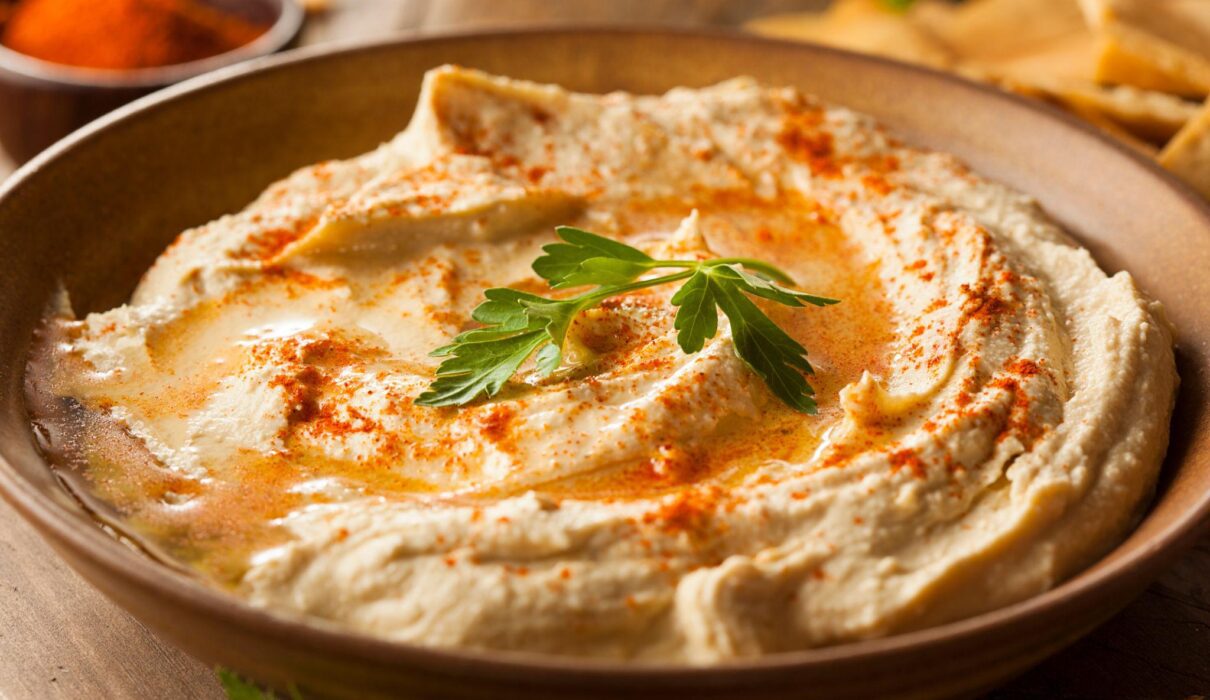
It’s rich and velvety, packed with plant-based protein, naturally oil-free, and flavored with fresh lemon, garlic, and tahini instead of loads of sodium.
The result is a hummus that’s every bit as delicious as traditional versions while being significantly healthier.
Why Most Low Sodium Hummus Recipes Fail
Many low sodium hummus recipes end up tasting disappointing for a few common reasons:
- They remove salt but don’t replace flavor.
- They skip acidic ingredients like lemon juice.
- They use too little garlic.
- They don’t blend long enough.
- They leave out tahini, reducing richness.
- They rely on canned chickpeas without rinsing thoroughly.
The result is often a bland, grainy spread that nobody wants to eat.
The secret is building flavor from fresh ingredients rather than depending on salt alone.
The Science Behind Creamy Hummus
A truly creamy hummus comes down to a few simple techniques.
Tahini provides natural richness and body. Lemon juice brightens flavors and helps compensate for reduced sodium. Garlic adds depth and complexity.
One of the biggest secrets is blending the hummus longer than you think necessary. Extra blending breaks down chickpeas into an ultra-smooth texture.
Adding ice-cold water while blending creates an airy, whipped consistency that rivals restaurant-quality hummus.
Together, these techniques create a creamy spread that feels indulgent despite being low in sodium and completely oil-free.
Ingredients
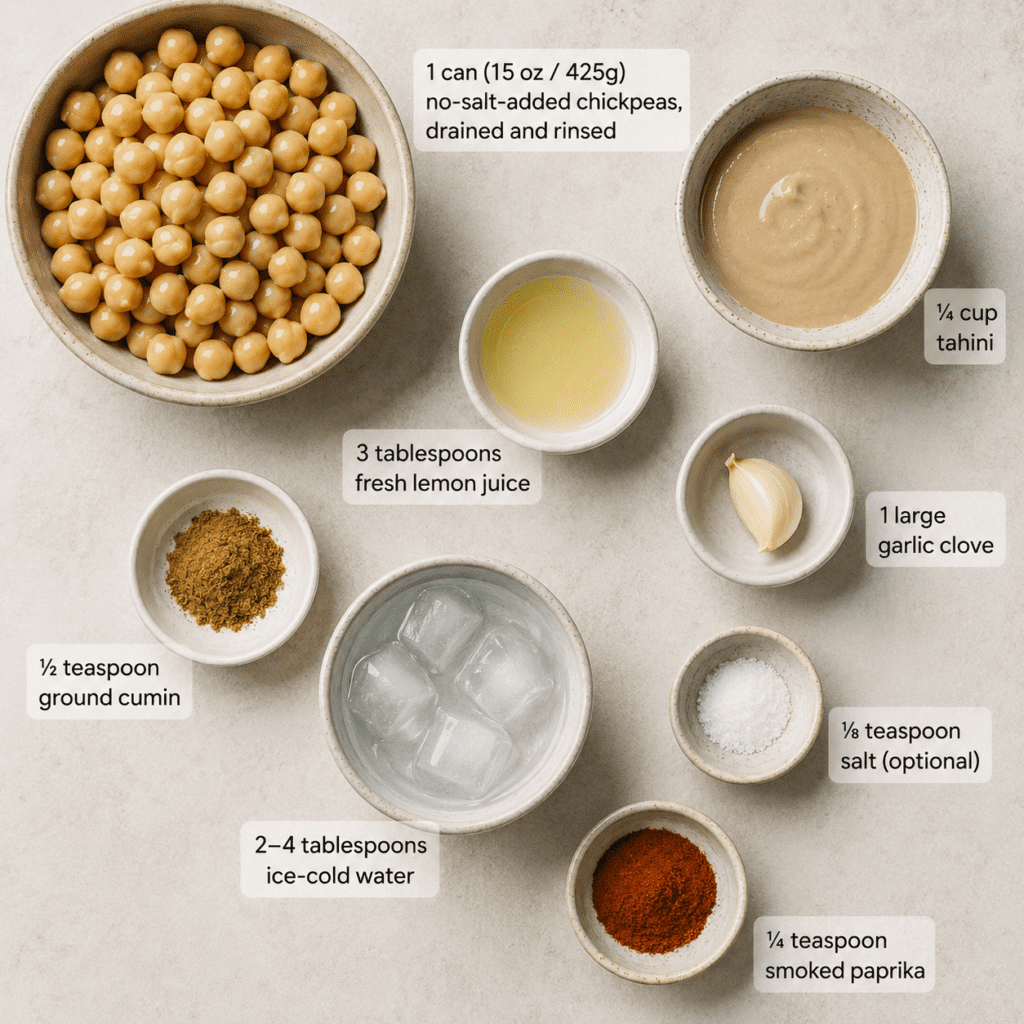
For the Hummus
Optional Garnishes
- Chopped parsley
- Paprika
- Lemon zest
- Whole chickpeas
- Fresh cucumber slices
Step-by-Step Instructions
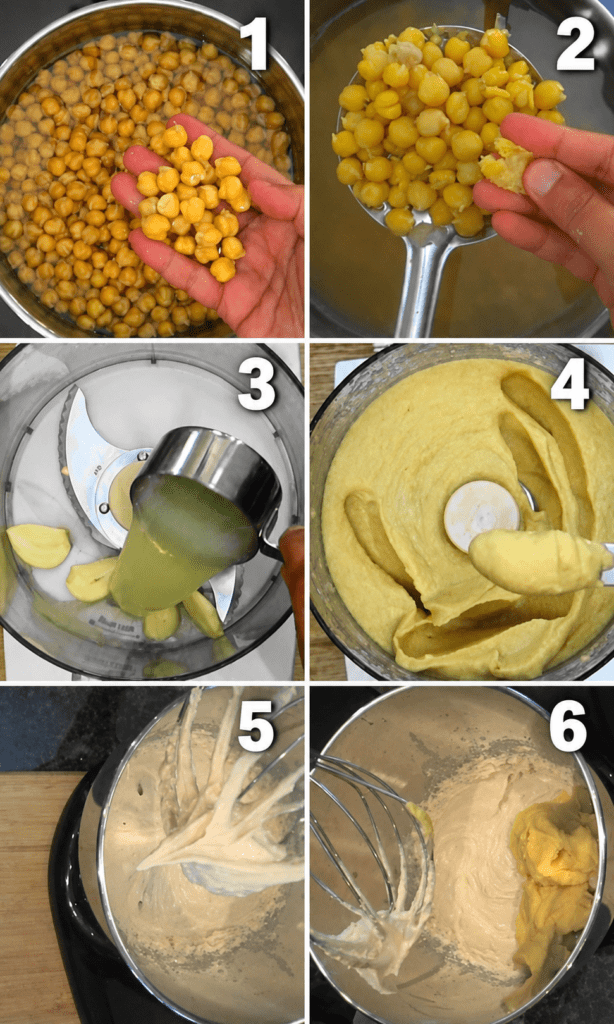
Step 1: Prepare the Chickpeas
Drain and rinse the chickpeas thoroughly under cold water.
Rinsing helps remove excess sodium and improves flavor.
For extra creamy hummus, remove some of the chickpea skins, though this step is optional.
Step 2: Blend the Base
Add the following to a food processor:
- Tahini
- Lemon juice
- Garlic
- Cumin
- Smoked paprika
Blend for about 30 seconds until smooth.
Step 3: Add Chickpeas
Add the chickpeas and process for 1 to 2 minutes.
The mixture will initially appear thick.
Step 4: Add Ice Water
While the processor is running, slowly add ice-cold water one tablespoon at a time.
Continue blending until the hummus becomes silky and creamy.
Step 5: Taste and Adjust
Taste the hummus.
Add additional lemon juice for brightness or a tiny pinch of salt if desired.
Blend once more and serve.
Common Mistakes to Avoid
Not Blending Long Enough
Most hummus becomes creamy only after several minutes of processing.
Using Warm Water
Ice-cold water helps create a lighter, fluffier texture.
Too Little Lemon Juice
Without enough acidity, low sodium hummus can taste flat.
Skipping Tahini
Tahini contributes richness that helps replace the flavor usually provided by oil and salt.
Adding Too Much Water
Add water gradually to maintain the ideal consistency.
Common Issues and How to Solve Them
My Hummus Is Too Thick
Blend in another tablespoon of cold water.
My Hummus Is Too Thin
Add a few extra chickpeas and blend again.
It Tastes Bland
Increase lemon juice, garlic, cumin, or smoked paprika before reaching for more salt.
Texture Is Grainy
Blend longer. Most graininess disappears with additional processing.
Delicious Ways to Serve Low Sodium Hummus
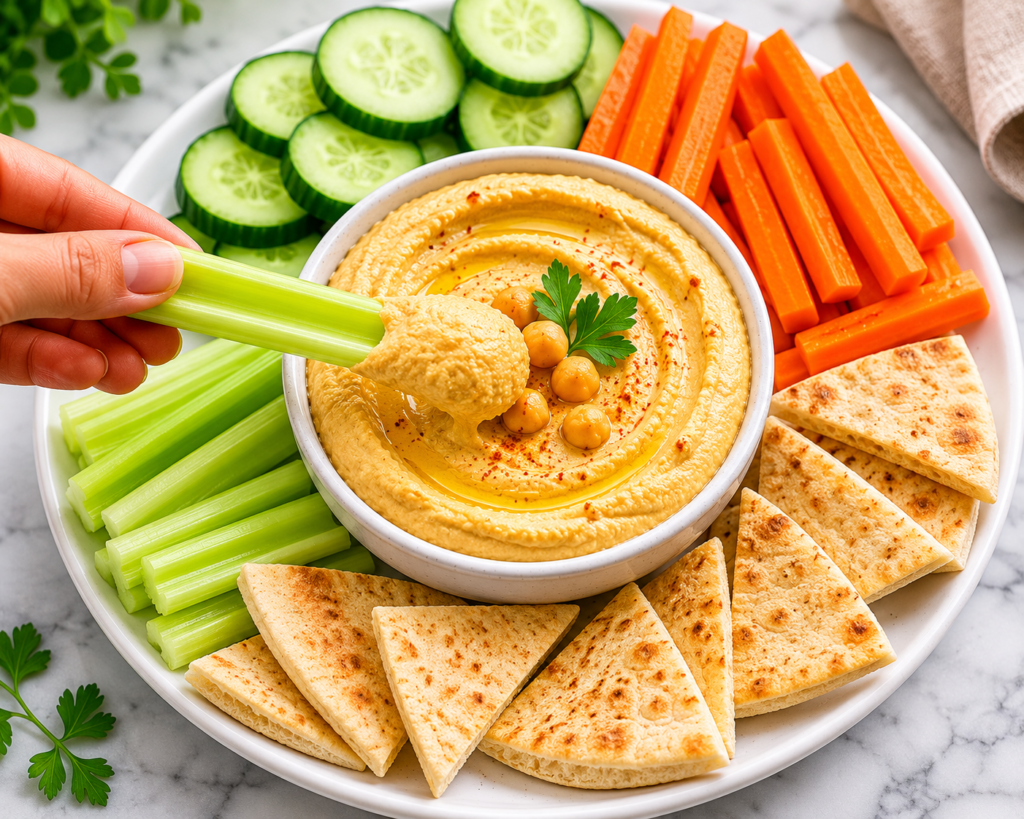
This healthy hummus pairs wonderfully with:
- Carrot sticks
- Celery
- Bell peppers
- Cucumber slices
- Whole grain crackers
- Whole wheat pita
- Sandwiches
- Wraps
- Grain bowls
- Roasted vegetables
It also makes an excellent spread for vegan sandwiches and wraps.
Storage Tips
Refrigerator
Store in an airtight container for up to 5 days.
Freezing
Freeze for up to 2 months in a freezer-safe container.
Before Serving
After storage, stir well and add a small splash of water if needed to restore creaminess.
Frequently Asked Questions
Can I Make This Without Tahini?
Yes, but the hummus won’t be as rich or creamy. Unsalted sunflower seed butter is a good alternative.
Is This Recipe Completely Oil-Free?
Yes. No added oil is required.
Can I Use Cooked Dry Chickpeas?
Absolutely. About 1½ cups cooked chickpeas works perfectly.
Is This Good for Meal Prep?
Yes. It stores well and makes an excellent healthy snack throughout the week.
You Might Also Like
• 7 Quick and Delicious Vegan Pasta Salad Recipes Everyone Will Love
• The Ultimate Vegan Pancake Mix for Cozy Morning Breakfasts
• 7 Raw Vegan Meal Recipes You’ll Actually Love
• 9 Healthy Vegan Meals That Help You Lose Weight Naturally
• 9 Crispy Orange Tofu Recipe (Sweet, Sticky & Better Than Takeout)
Final Thoughts
This Low Sodium Hummus Recipe proves that healthy eating doesn’t have to be boring. With creamy chickpeas, nutty tahini, fresh lemon juice, and aromatic garlic, you can create a flavorful dip that doesn’t rely on excess salt or oil.
Whether you’re following a low-sodium diet, looking for healthier snack options, or simply love homemade hummus, this recipe is one you’ll come back to again and again.
Nutrition (Estimated Per Serving)
Based on 6 servings and may vary depending on ingredients used.
- Calories: 110 kcal
- Carbohydrates: 12g
- Protein: 4g
- Fat: 5g
- Saturated Fat: 0.7g
- Fiber: 3g
- Sugar: 1g
- Sodium: 45mg
- Calcium: 40mg
- Iron: 1.2mg